Unaffected by the illusions of atmosphere and perspective
“…[Saint Francis of Assisi] not only loved but reverenced God in all his creatures. In this sense he had the air not only of apologising to the cat or to the birds, but of apologising to a chair for sitting on it or to a table for sitting down at it.”
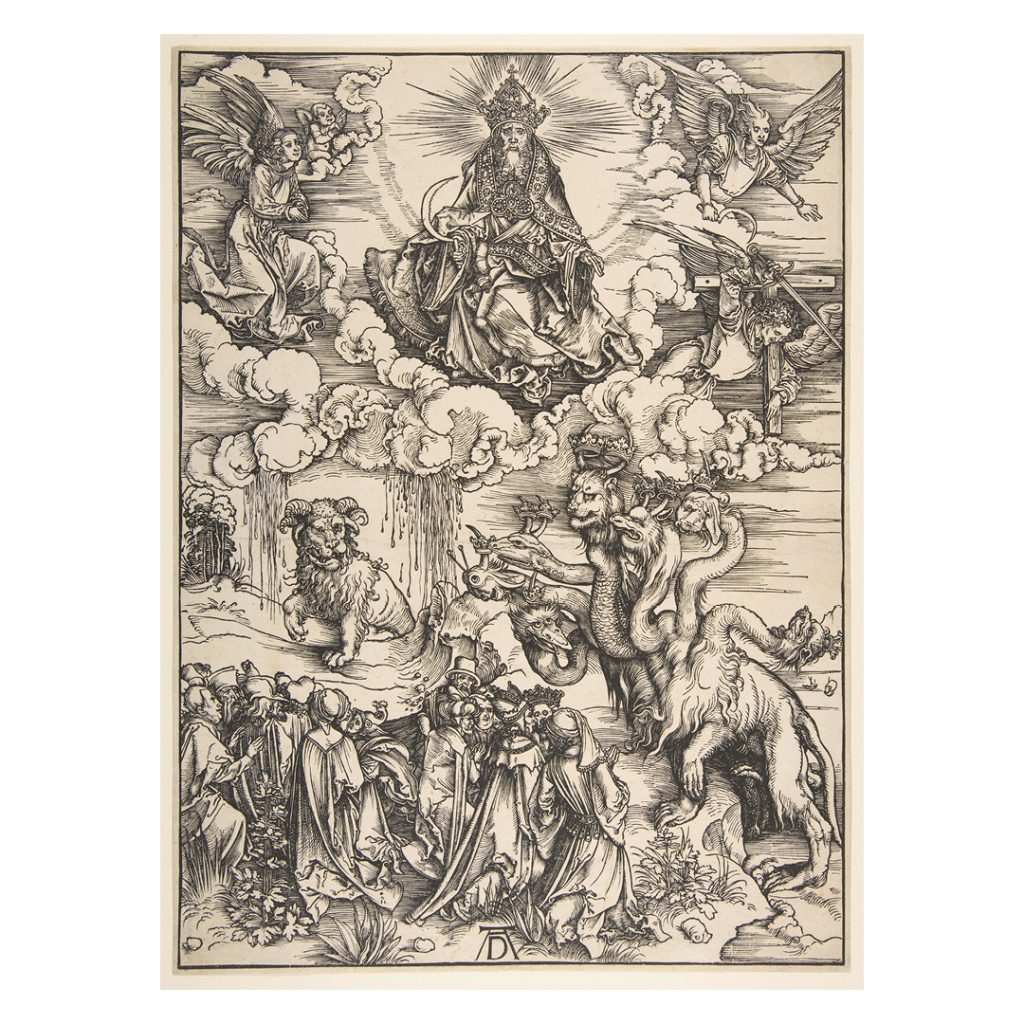
“I have said that St. Francis deliberately did not see the wood for the trees. It is even more true that he deliberately did not see the mob for the men. What distinguishes this very genuine democrat from any mere demagogue is that he never either deceived or was deceived by the illusion of mass-suggestion. Whatever his taste in monsters, he never saw before him a many-headed beast. He only saw the image of God multiplied but never monotonous.”
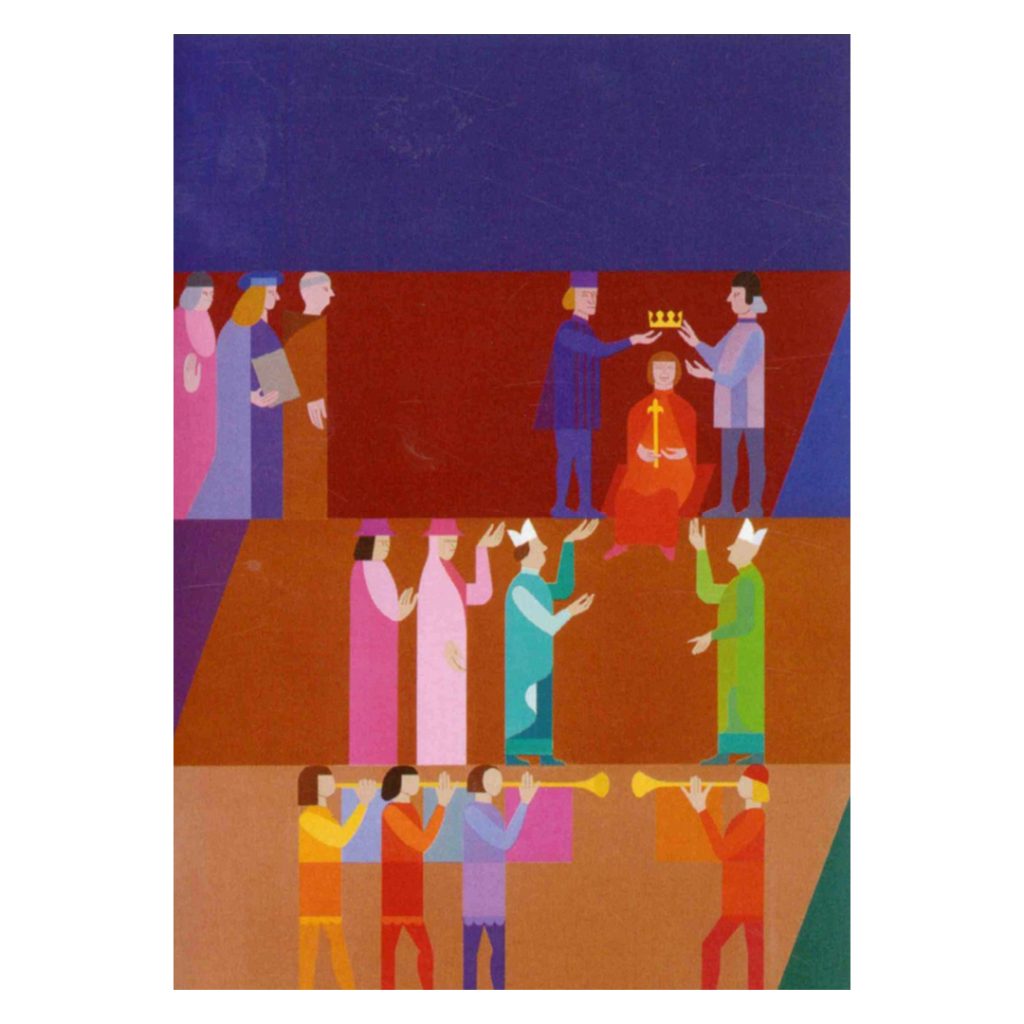
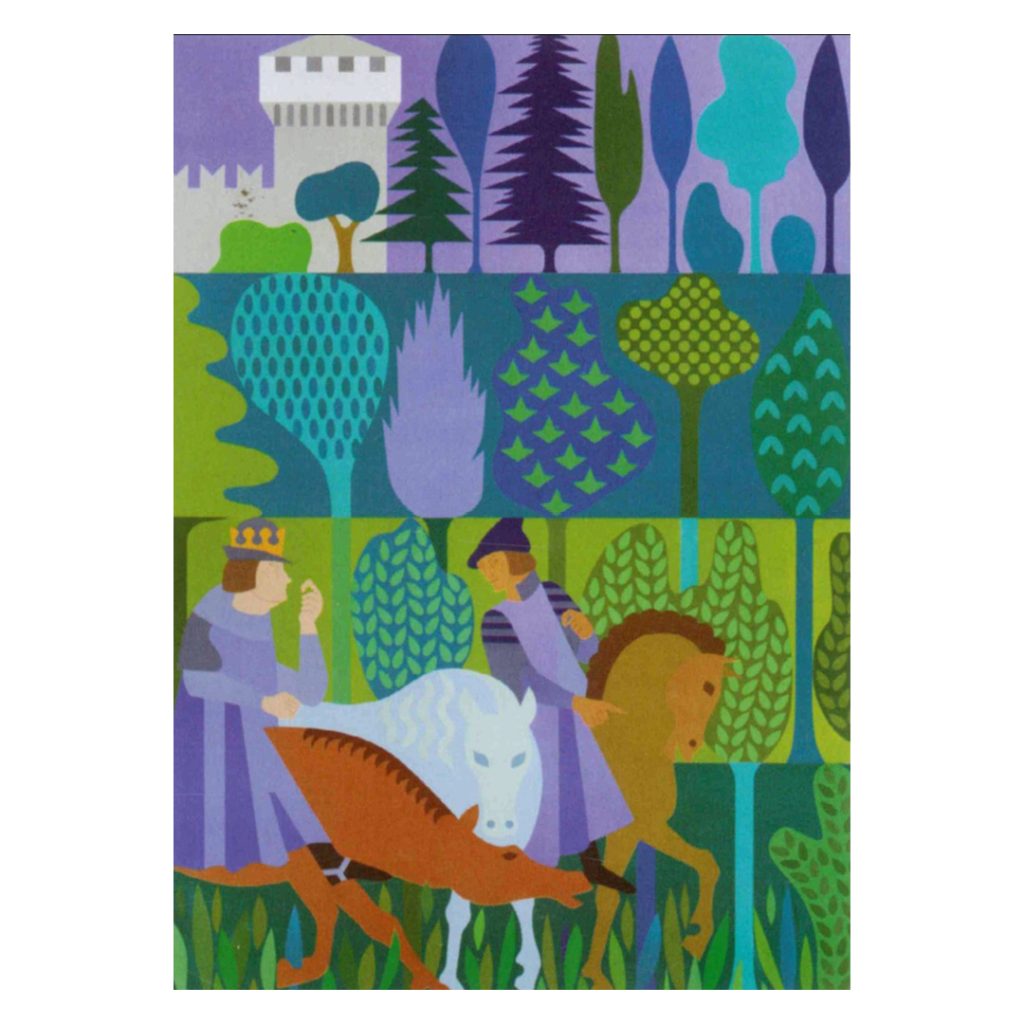
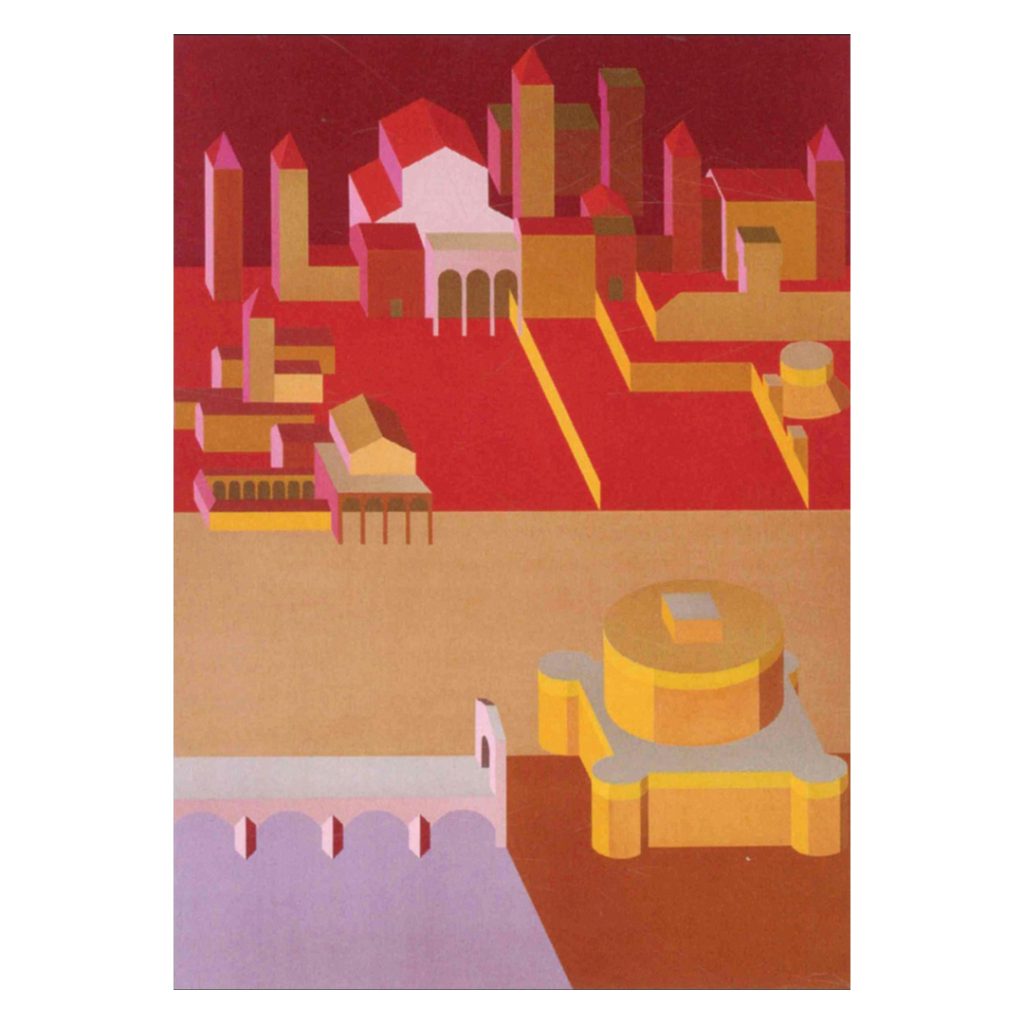
“He had the love of gay and bright apparel which was inherent in the heraldic taste of medieval times and seems altogether to have been rather a festive figure. If he did not paint the town red, he would probably have preferred to paint it all the colours of the rainbow, as in a medieval picture.”
“St. Francis was a mystic, but he believed in mysticism and not in mystification. As a mystic he was the mortal enemy of all those mystics who melt away the edges of things and dissolve an entity into its environment. He was a mystic of the daylight and the darkness; but not a mystic of the twilight. He was the very contrary of that sort of oriental visionary who is only a mystic because he is too much of a sceptic to be a materialist.”
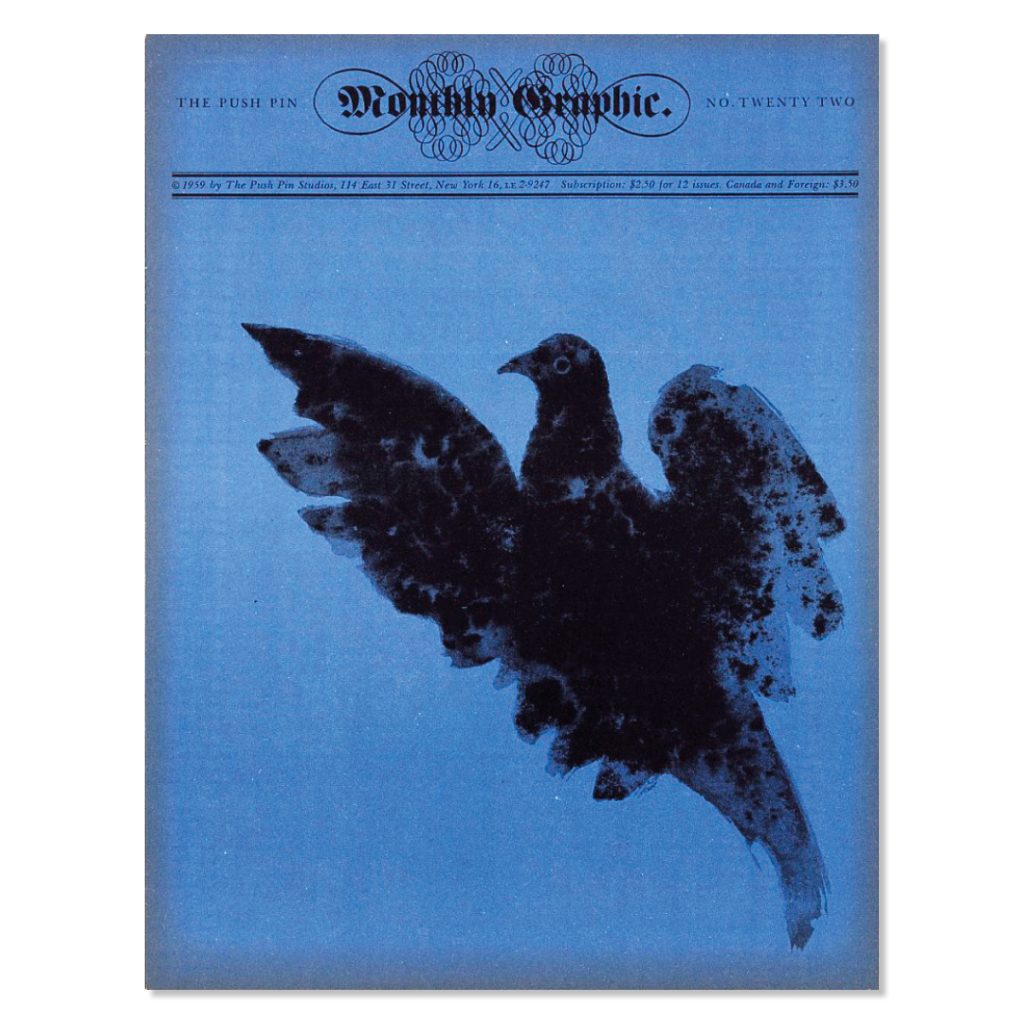
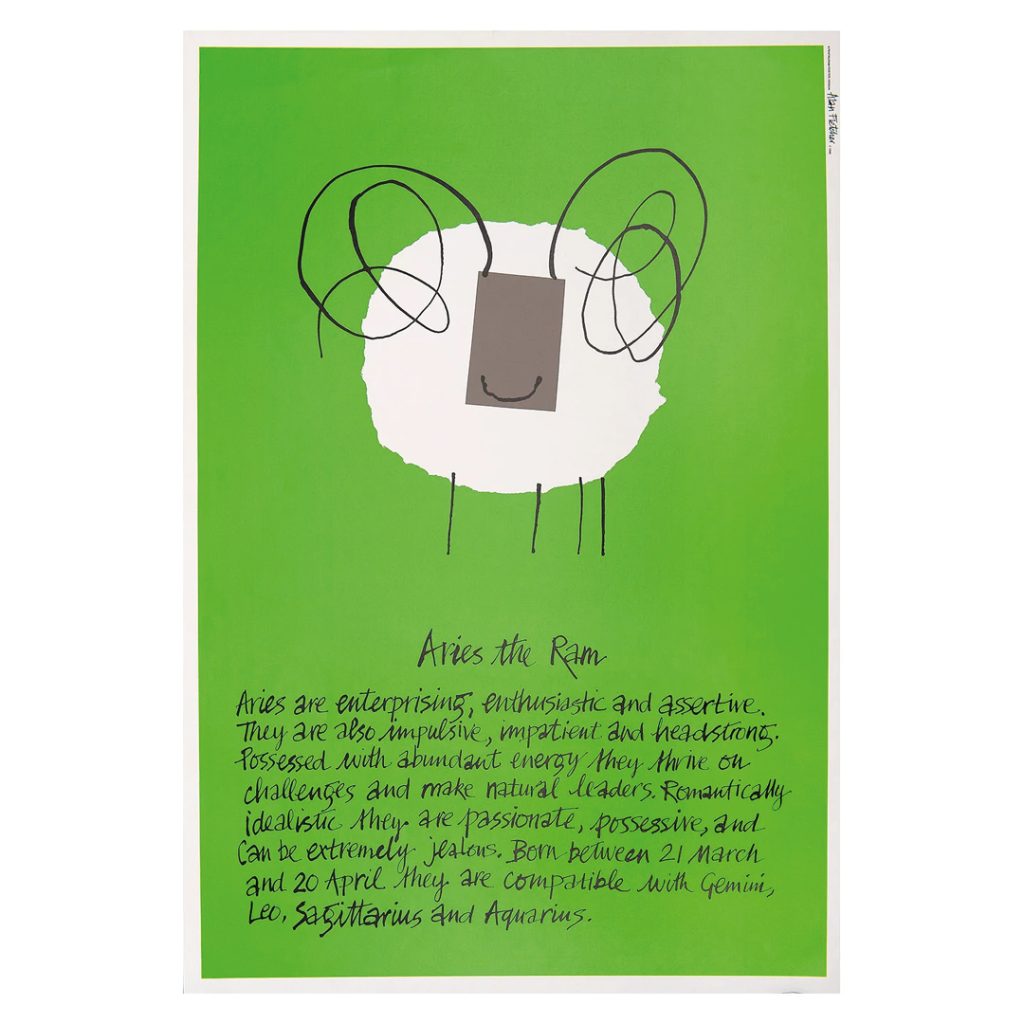
“…there was something symbolic in the contemporary art and decoration of his period; as in the art of heraldry. The Franciscan birds and beasts were really rather like heraldic birds and beasts; not in the sense of being fabulous animals but in the sense of being treated as if they were facts, clear and positive and unaffected by the illusions of atmosphere and perspective. In that sense he did see a bird sable on a field azure or a sheep argent on a field vert. But the heraldry of humility was richer than the heraldry of pride; for it saw all these things that God had given as something more precious and unique than the blazonry that princes and peers had only given to themselves.”
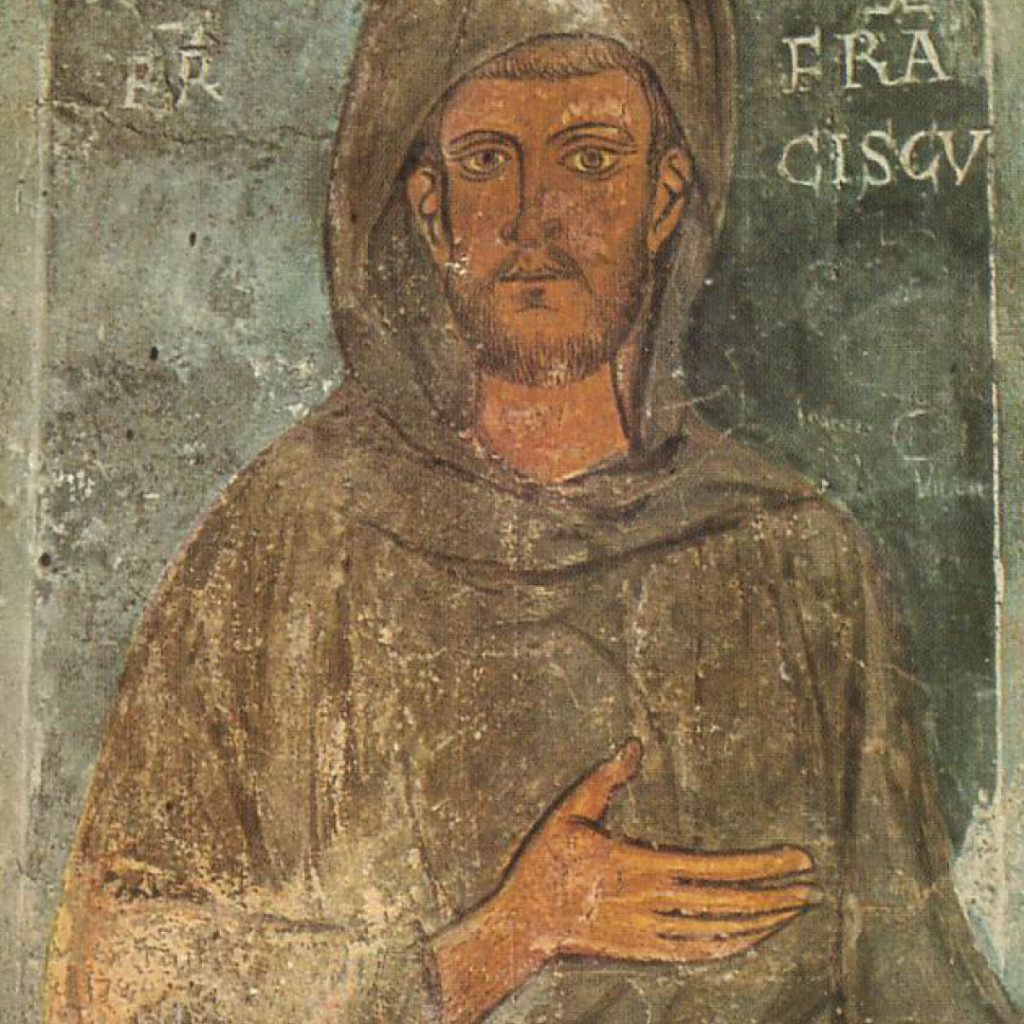
“The medieval world was far ahead of the modern world in its sense of the things in which all men are at one: death and the daylight of reason and the common conscience that holds communities together. Its generalisations were saner and sounder than the mad materialistic theories of to-day; nobody would have tolerated a Schopenhauer scorning life or a Nietzsche living only for scorn. But the modern world is more subtle in its sense of the things in which men are not at one; in the temperamental varieties and differentiations that make up the personal problems of life. All men who can think themselves now realise that the great schoolmen had a type of thought that was wonderfully clear; but it was as it were deliberately colourless. All are now agreed that the greatest art of the age was the art of public buildings; the popular and communal art of architecture. But it was not an age for the art of portrait-painting. Yet the friends of St. Francis have really contrived to leave behind a portrait; something almost resembling a devout and affectionate caricature. There are lines and colours in it that are personal almost to the extent of being perverse, if one can use the word perversity of an inversion that was also a conversion.”
Fragments from St. Francis of Assisi
by G. K. Chesterton
Hodder and Stoughton
London, 1923