
The Portable Book
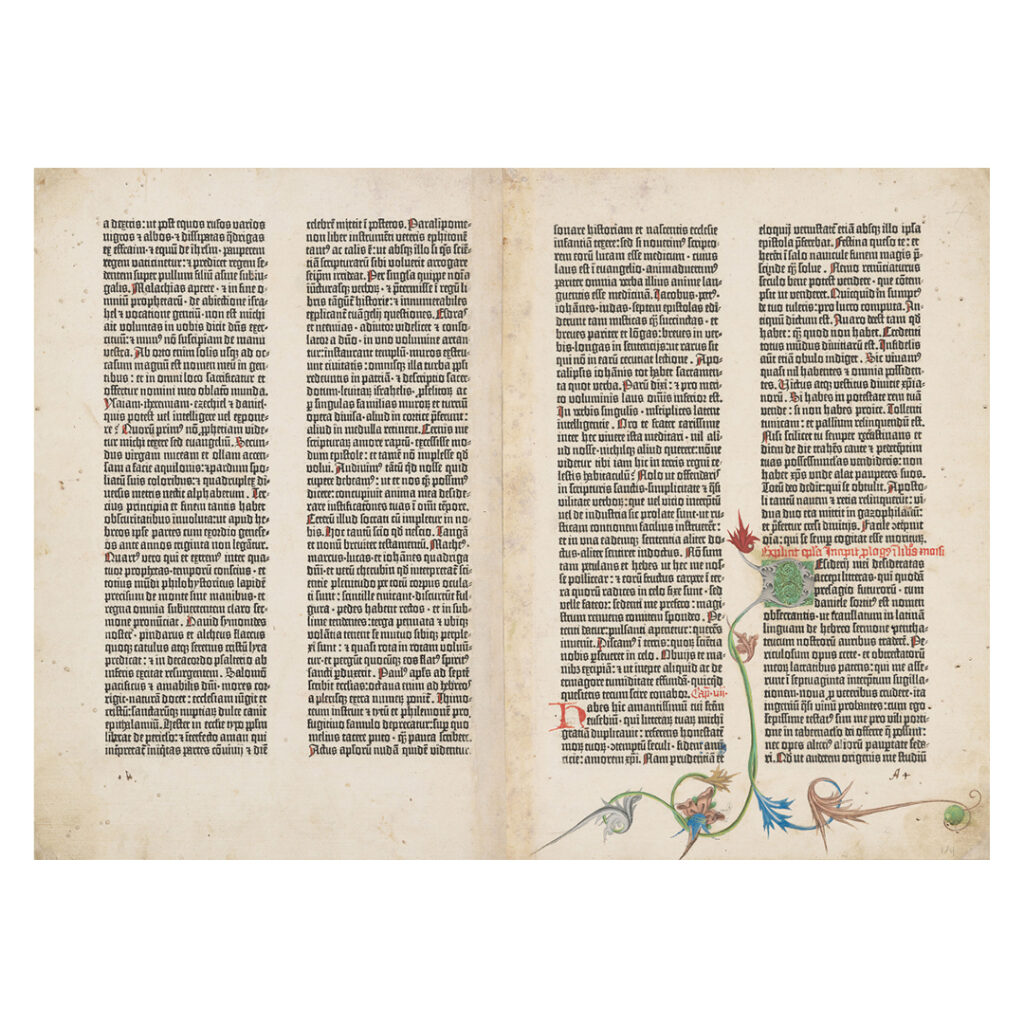
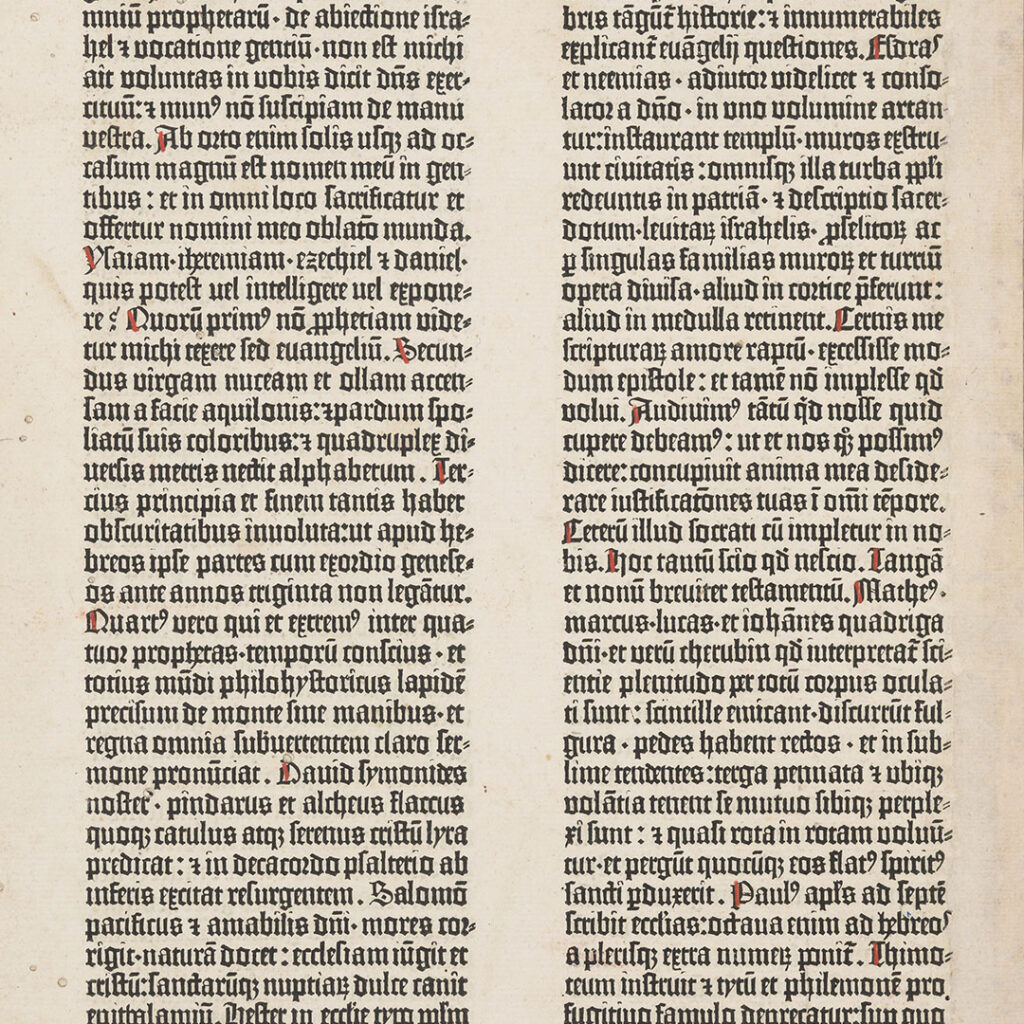
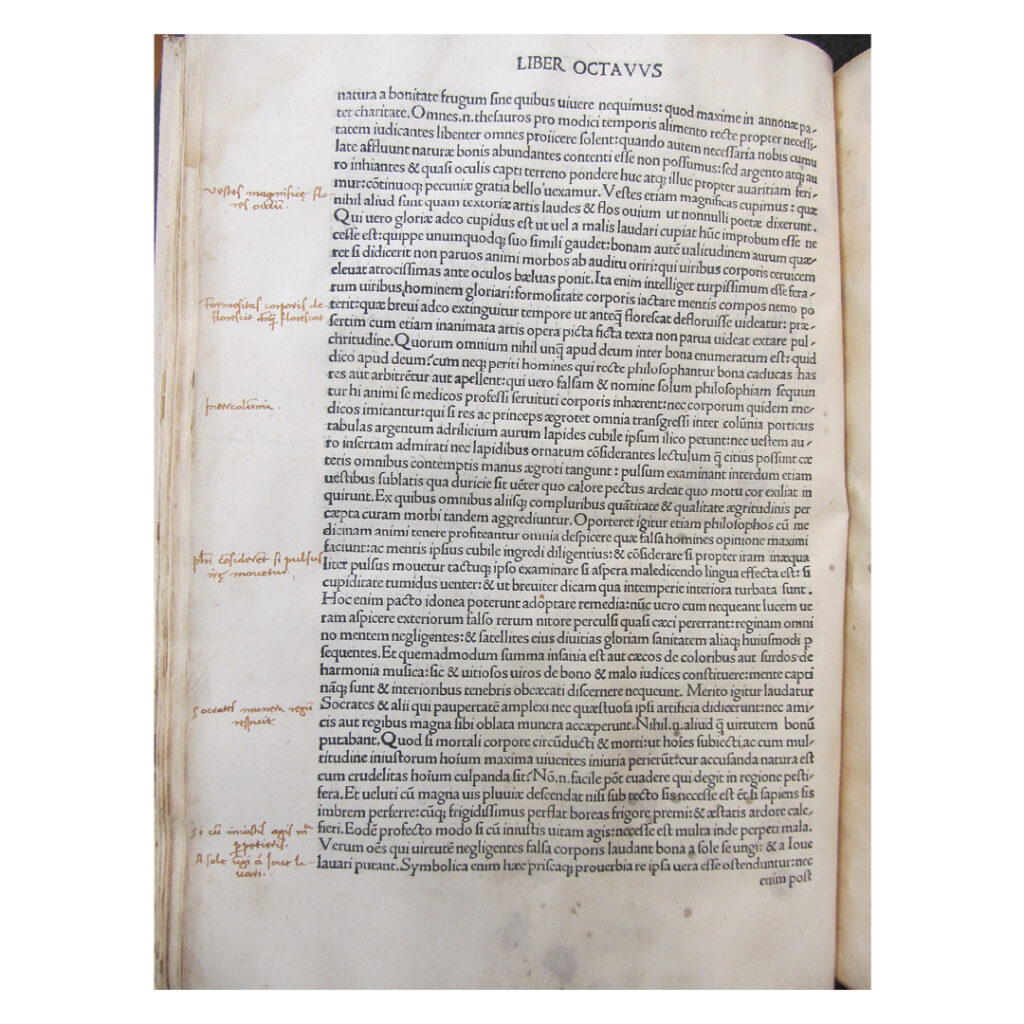
The development of printing, typography, and the book as we know them today gained decisive momentum during the Renaissance. These advancements played a crucial role in the transition to the modern era through their power to disseminate knowledge. Around the mid-15th century, almost simultaneously, the printing press using movable type was invented in the Netherlands and Germany.¹ The most renowned work resulting from this invention is the 42-line Bible produced by Johannes Gutenberg in Mainz, the printing hub of Germany. In 1462, after the city was sacked by Archbishop Adolf II, many printers fled, primarily to Italy, where they blended their Gothic lettering tradition with the script trends of Italian Humanism.
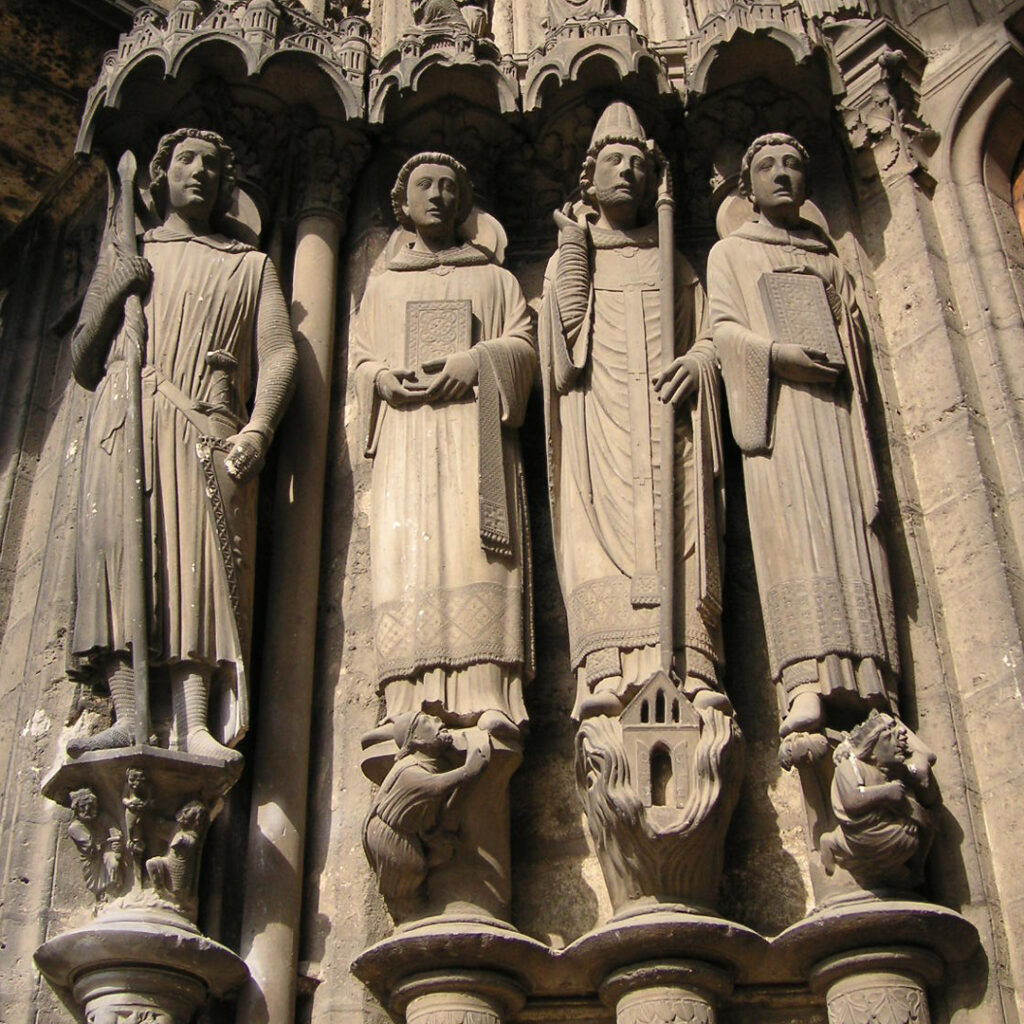
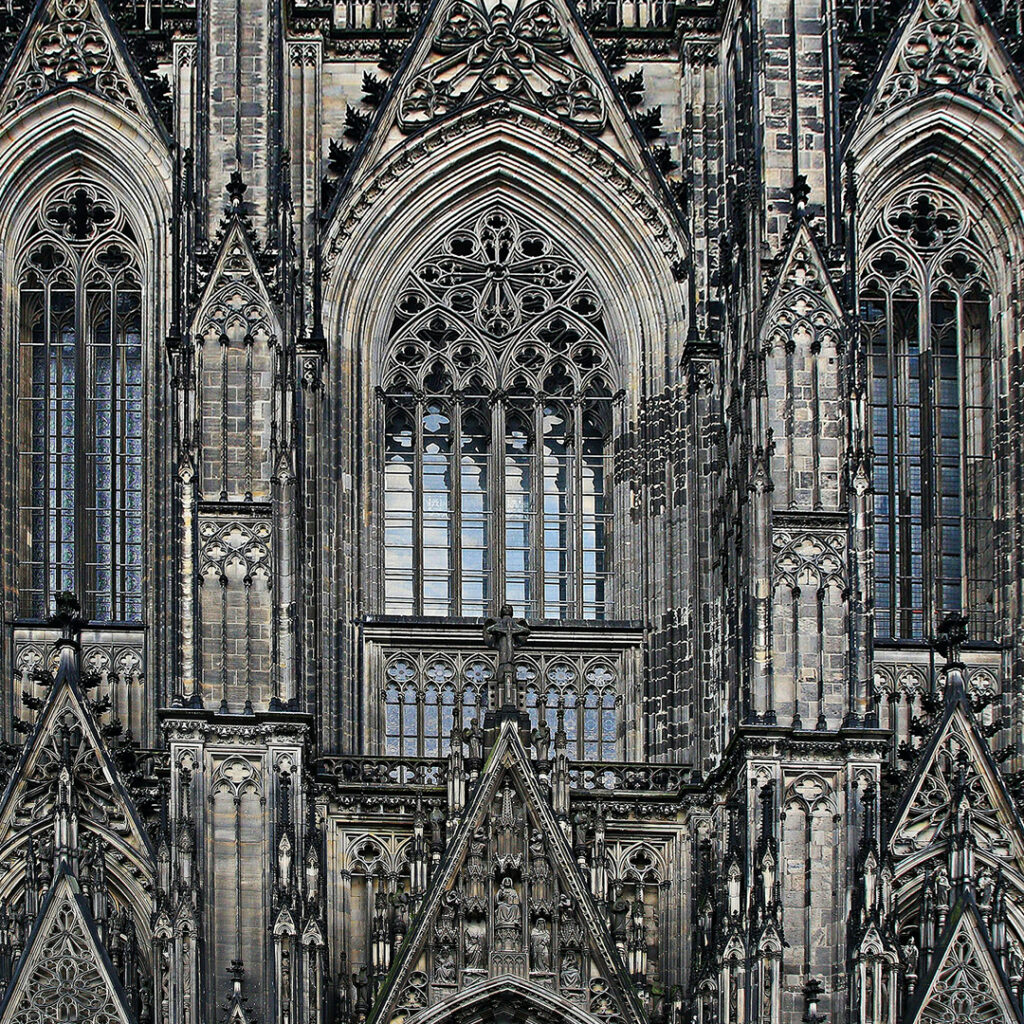
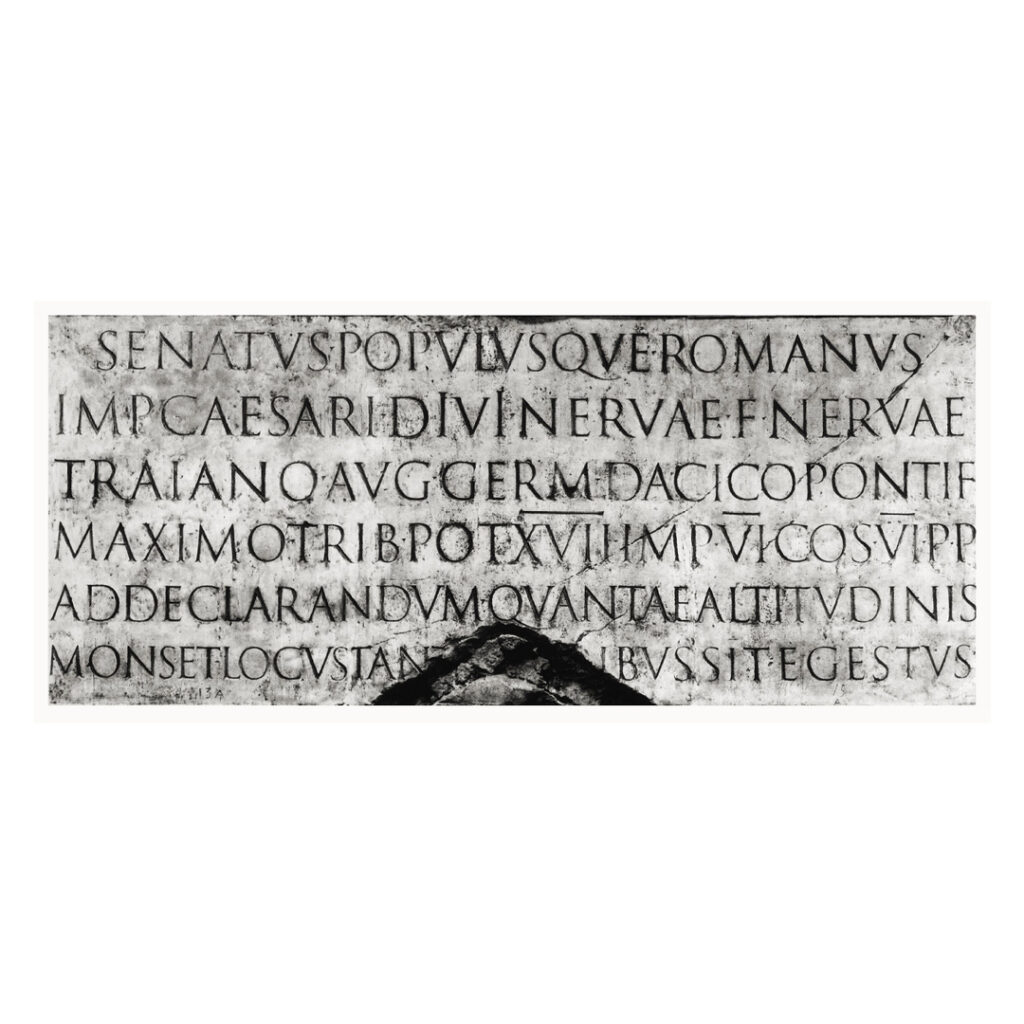
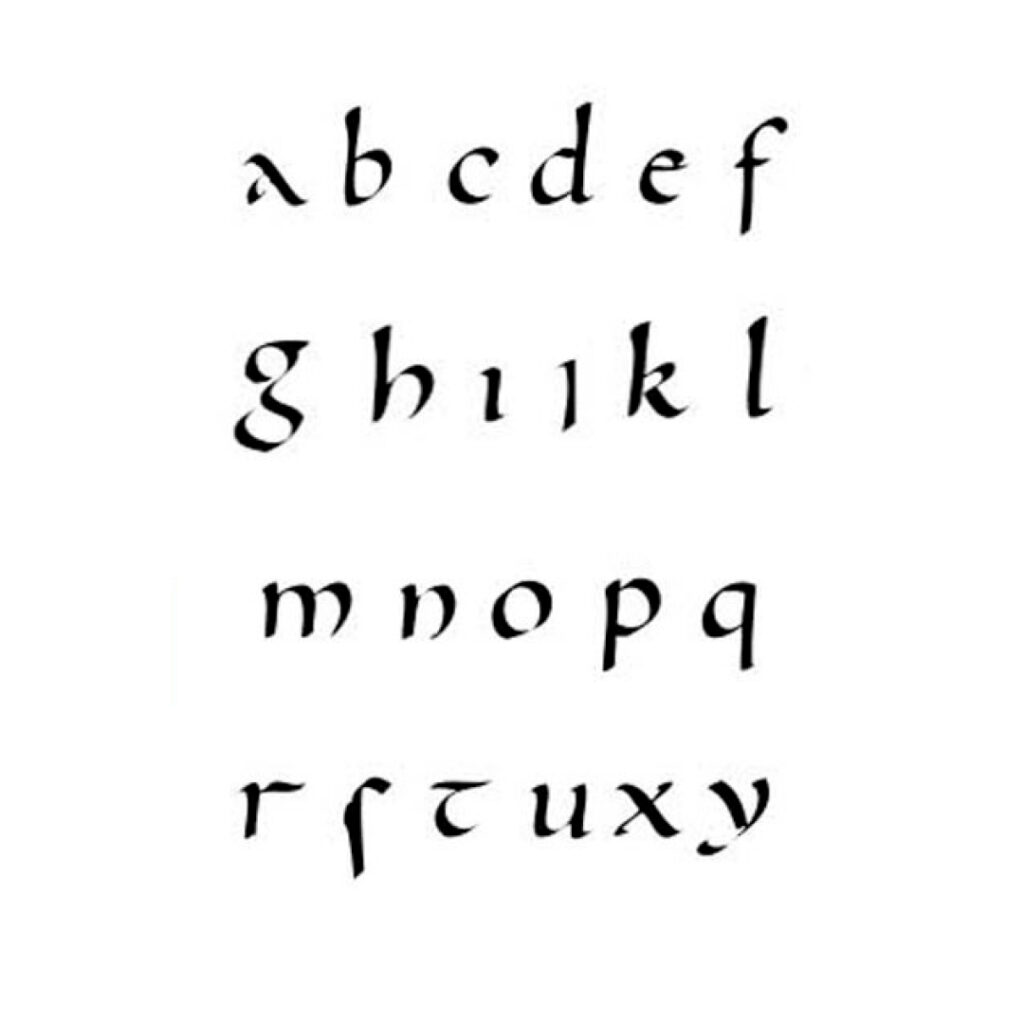
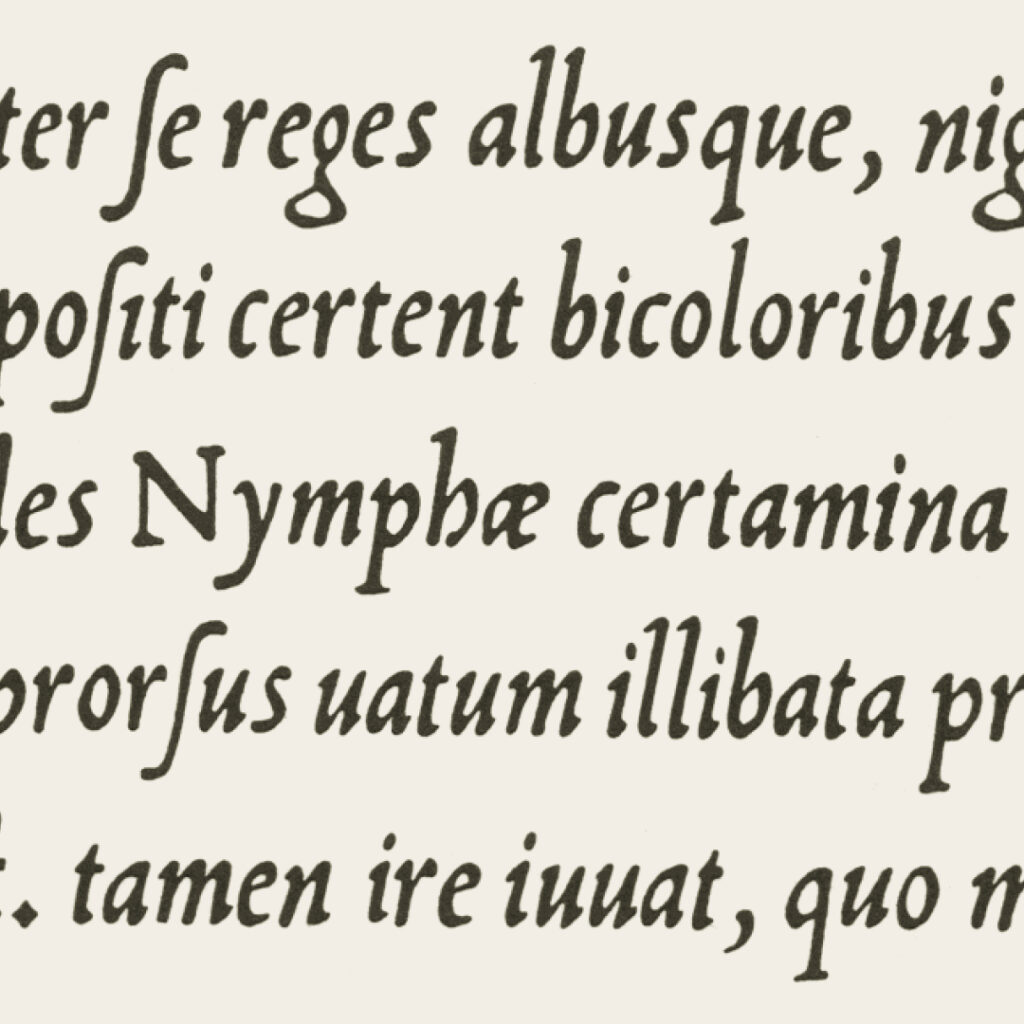
Gothic script of the Middle Ages, particularly in Western Europe, was characterized by dark, hard-to-read, angular, and vertically proportioned letters—traits that mirrored the architecture and painting of the period. Humanist script, developed in Italy, embraced classical ideals inherited from Greek and Roman cultures, where the square and circle served as foundations of proportion. This began a process of rationalizing letterforms and the systematic emergence of typography aimed at legibility and reproducibility. Uppercase letters (majuscules) from ancient stone inscriptions on buildings and classical monuments were combined with lowercase letters (minuscules) from distinctive Carolingian calligraphic manuscripts, typical of the early 9th century. Later, cursive script was added to this repertoire—an adaptation of fast, everyday handwriting. Cursive was favored for its narrow form, which saved space on the page, making it ideal for producing small, portable books, as envisioned by Aldus Manutius.² Since then, cursive—or italics—has been used to emphasize words within a text.
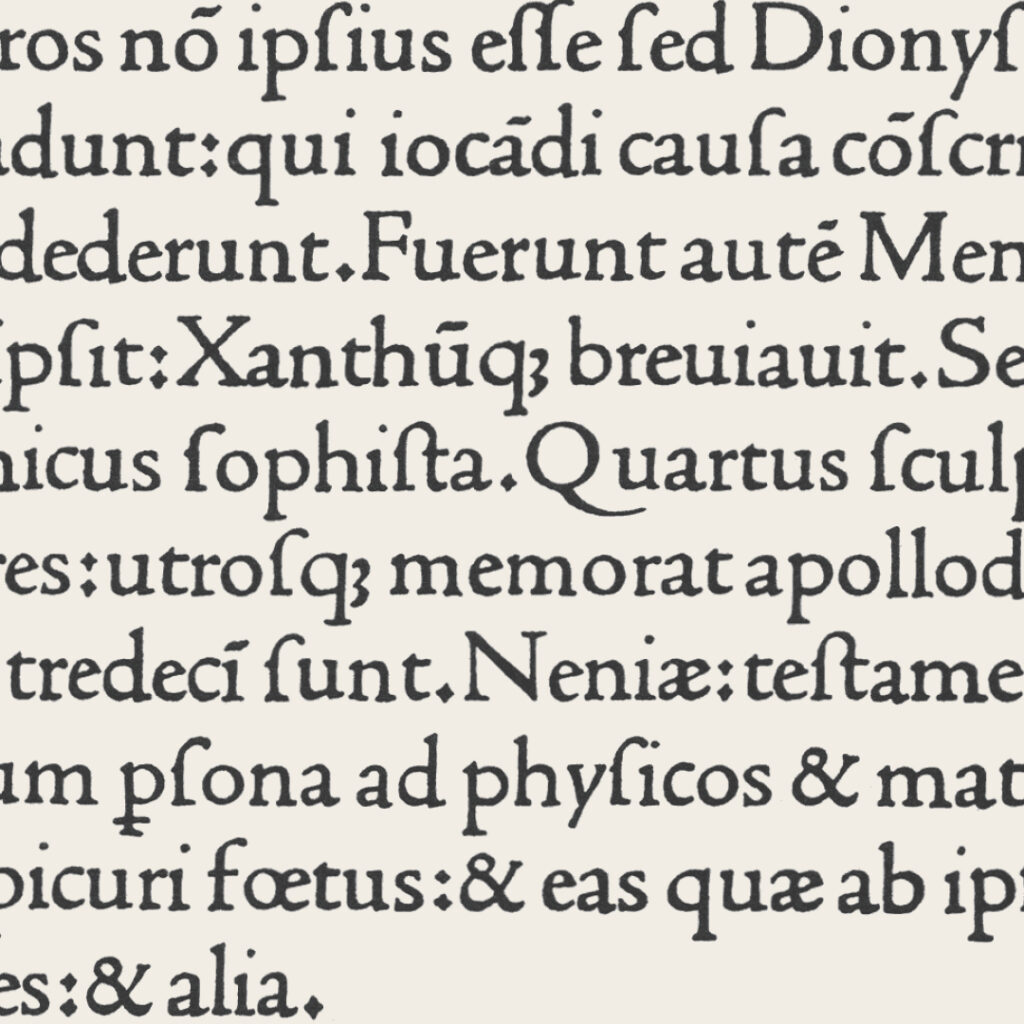
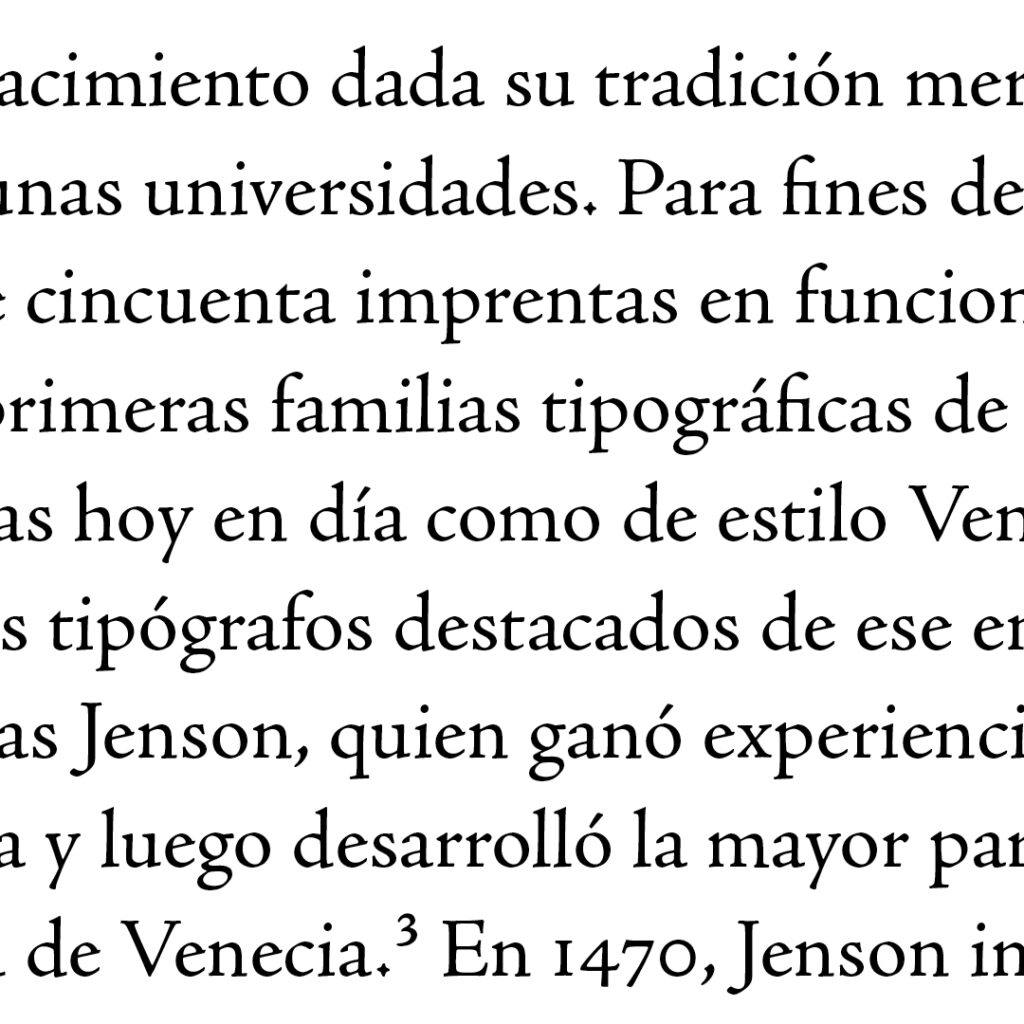
Venice became one of the most influential printing centers of the Renaissance due to its mercantile tradition and proximity to several universities. By the end of the 15th century, it hosted more than fifty active printing presses. The first humanist-style type families were developed there—known today as Venetian or Antiqua. One of the notable typographers of the time was the Frenchman Nicolas Jenson, who gained experience in Mainz and later carried out most of his work in Venice.³ In 1470, Jenson printed De Præparatione Evangelica by Eusebius. This work marked a milestone in the development of two new disciplines: type design and book design, which emerged at that time as distinct fields with their own rules and objectives.
Notes
1. Movable type and its application to paper had already been created in East Asia, but in Europe, the contribution lay in the adoption of the press—a tool originally used for producing wine and oils such as olive oil.
2. Aldus Manutius (1449–1515) was an Italian humanist and printer, considered the creator of the modern book.
3. Adobe Jenson Pro, designed by Robert Slimbach, captures the essence of the cursive type designs by Ludovico degli Arrighi and the roman typefaces by Nicolas Jenson—a combination of legibility, expression, and consistency drawn from two icons of Renaissance typography.
By César Sesio