


Funes the Memorious
June 7, 1942, a day like any other according to La Nación newspaper (Argentina), except for a short story appearing in the Arts and Letters section that would turn this issue of the newspaper into a historic document. The first page of this Sunday supplement features a story by Stefan Zweig; the second page contains an essay by Ernesto Sabato praising Galileo; and on the third page, almost hidden in plain sight, for the first time appears “Funes the Memorious,” Jorge Luis Borges’s monumental short story, with an illustration by Alejandro Sirio.
“Funes the Memorious” tells the vicissitudes of Ireneo Funes, a peasant from Fray Bentos (Uruguay), who after falling off a horse and hitting his head hard recovers consciousness with the incredible skill — or perhaps curse — of remembering absolutely everything.
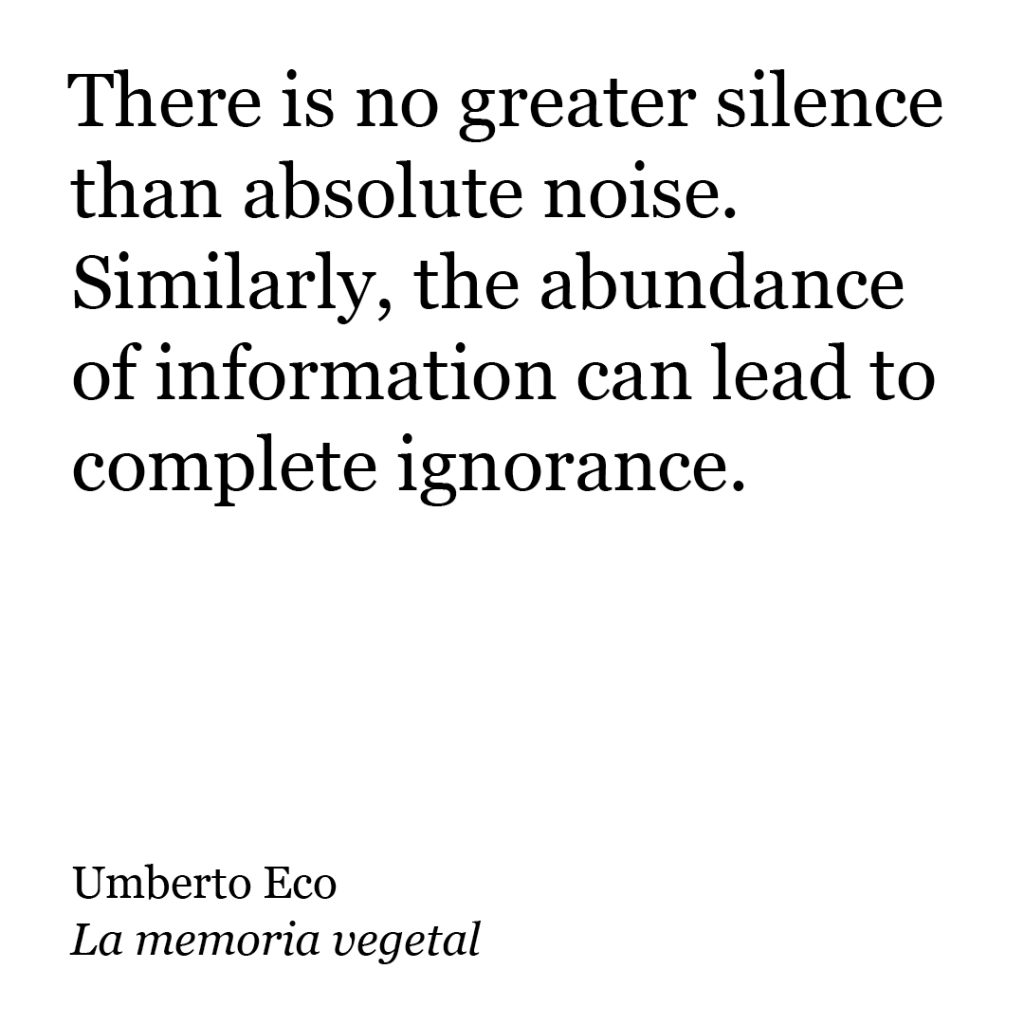
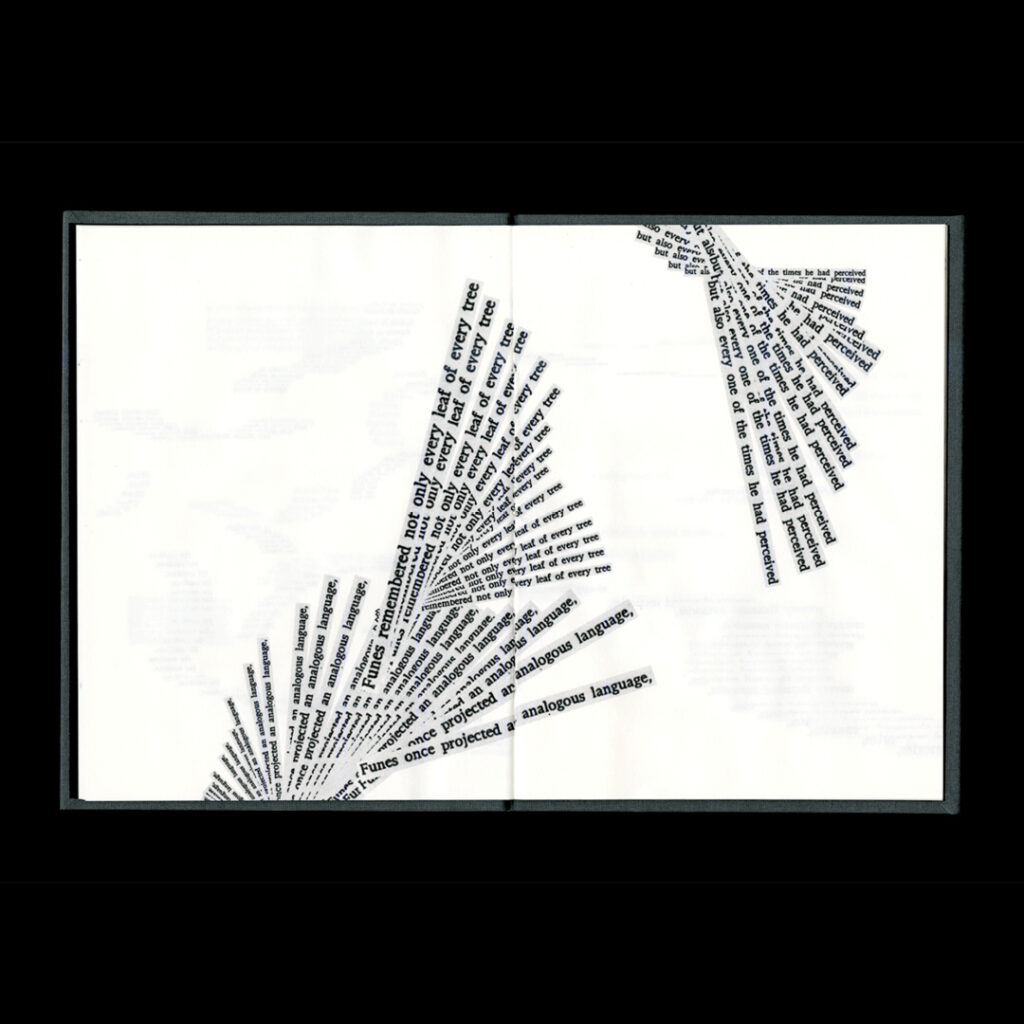
“In the seventeenth century, Locke postulated (and condemned) an impossible language in which each individual thing—every stone, every bird, every branch—would have its own name; Funes once contemplated a similar language, but discarded the idea as too general, too ambiguous. The truth was. Funes remembered not only every leaf of every tree in every patch of forest, but every time he had perceived or imagined that leaf. He resolved to reduce every one of his past days to some seventy thousand recollections, which he would then define by numbers. Two considerations dissuaded him: the realization that the task was interminable, and the realization that it was pointless. He saw that by the time he died he would still not have finished classifying all the memories of his childhood.” —Umberto Eco.
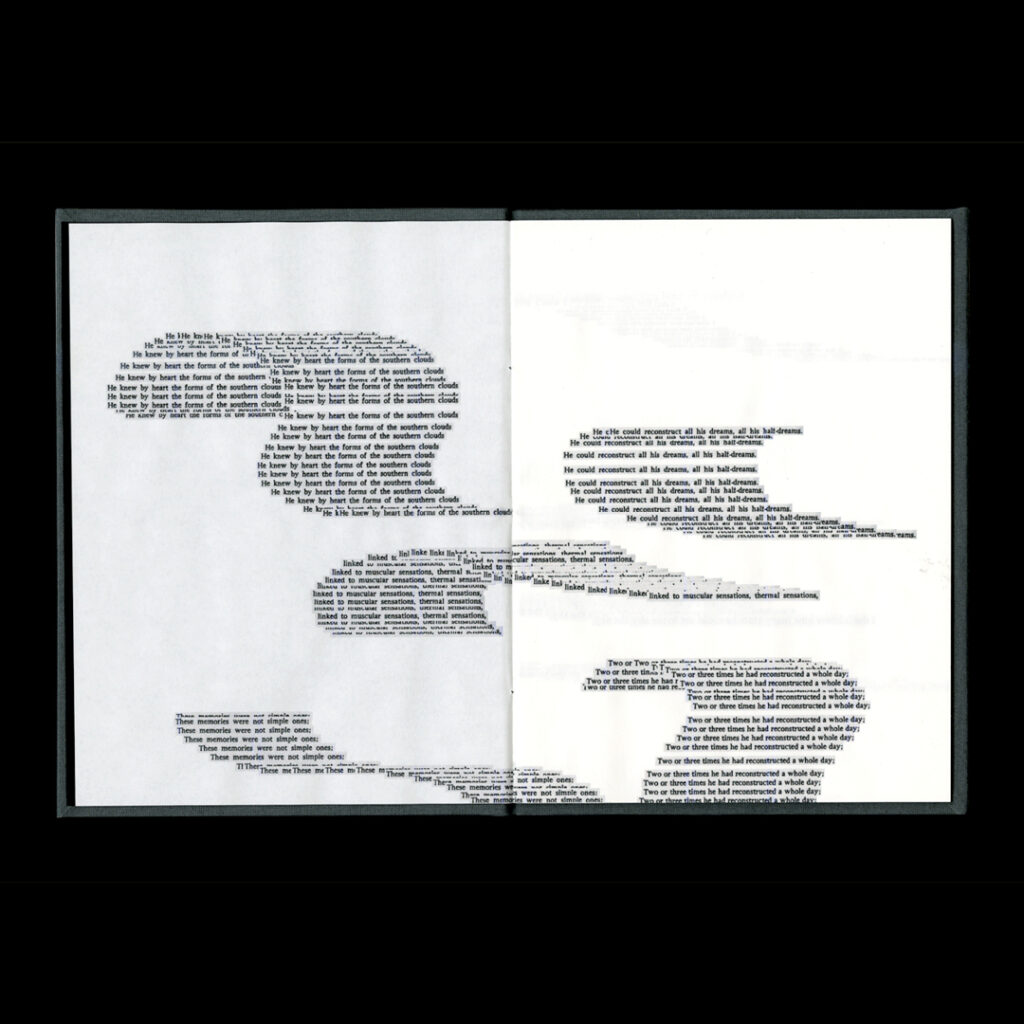
We, at a stroke, perceive three cups lying on a table; Funes would see all the shoots and clusters and fruit comprised by a vine. He knew the shapes of the southern clouds at dawn on April 30, 1882, and could compare them in his memory with the streaks on a book of Spanish cover that he had seen only once and with the swirls on the foam raised by an oar in the Río Negro on the eve of the battle of the Quebracho.